
Recommended by professionals
Dominik Przywara
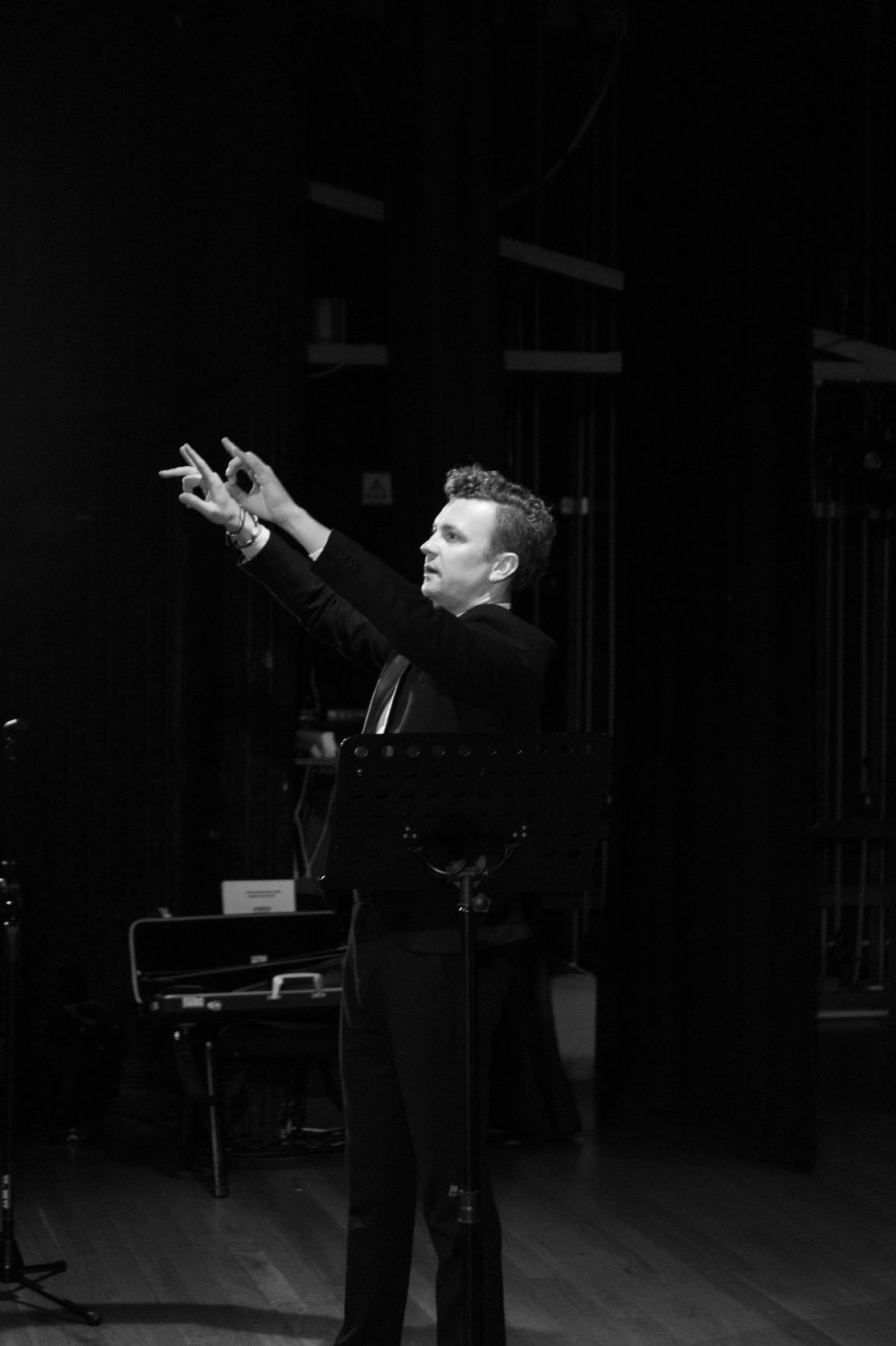
Polish-born violinist, teaching artist and founder of Strings Embassy. Recipient of Australia's Global Talent visa, nominated by Andrew Haveron, Concertmaster of the Sydney Symphony Orchestra.
Global Talent visa
“Granted to internationally recognised professionals with exceptional and outstanding achievements in their field.”
Dominik was invited by the Australian Department of Home Affairs and nominated by Andrew Haveron to receive the visa — reserved for individuals acclaimed as exceptional practitioners with a documented history of sustained success.
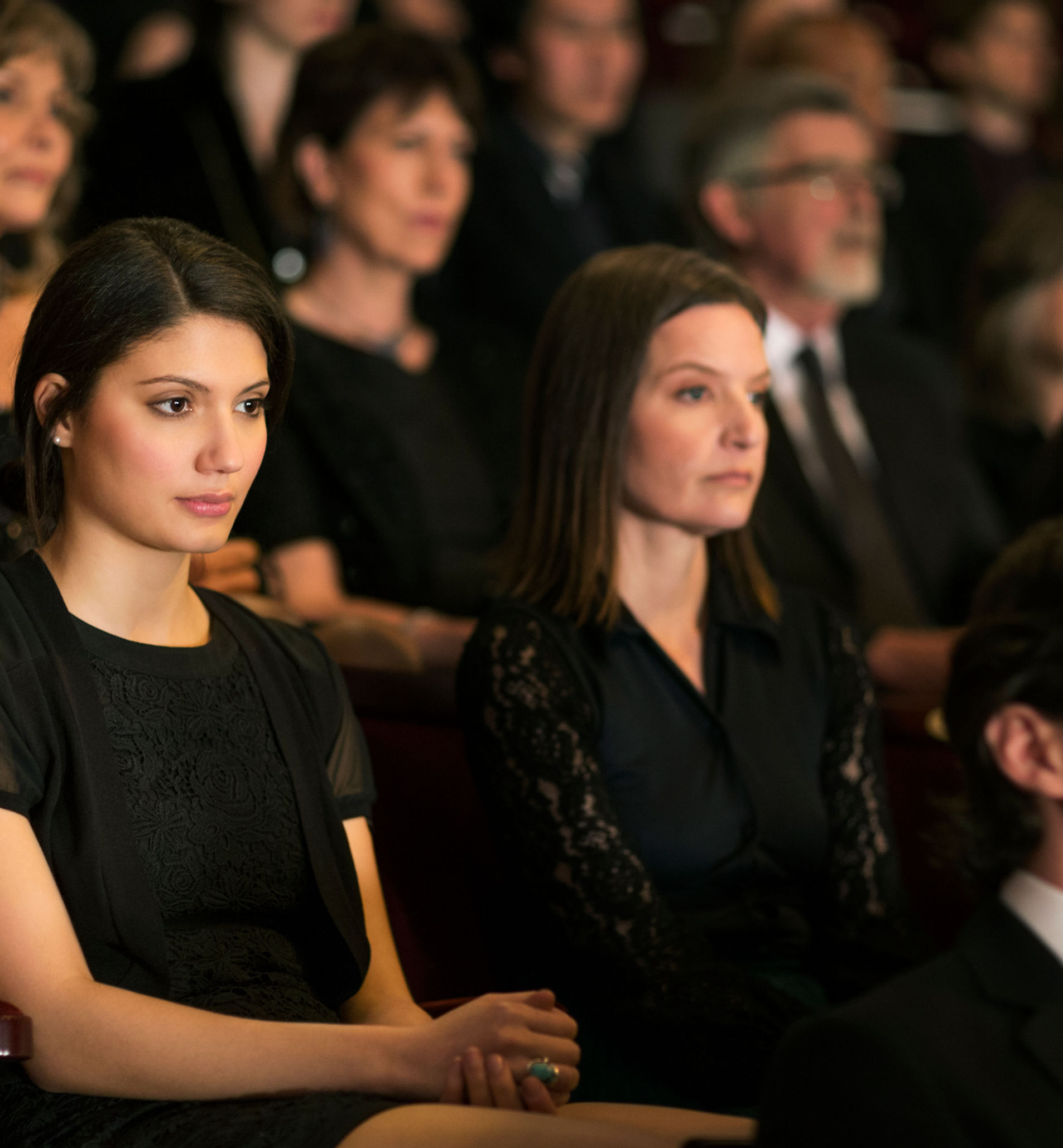
“200 chamber concerts produced — from Gdańsk and Warsaw to Sydney's Justice and Police Museum.”
A musical life
From Kraków to Sydney.
2003 — 2008
Kraków, Poland
Violinist in the Orchestra of the Academy of Music in Kraków, performing under Helmuth Rilling, Krzysztof Penderecki and Gabriel Chmura, with regular appearances at the Kraków Philharmonic.
2008
Academy of Music, Kraków
Master of Arts under Professor Peter Tarcholik.
2009 — 2011
Białystok, Poland
First Violinist at the Podlaska Opera and Philharmonic Hall, touring prestigious European concert venues. Founded the non-profit “Kultura Nie Chałtura”.
2011 — 2013
Gdańsk & Warsaw
Poland Fundraiser for the Ministry of Culture and National Heritage; First Violinist and producer for 200 chamber concerts.
2014
Sydney, Australia
Migrated to Australia on the Global Talent visa, nominated by Andrew Haveron, Concertmaster of the Sydney Symphony Orchestra. Founded the Menomosso Quartet at the Justice and Police Museum, Circular Quay. Opened his teaching studio.
2014 — present
Strings Embassy, Sydney
Postgraduate violin studies with Andrew Haveron. Former violin teacher at AMPA, Surry Hills. Recorded the AMEB violin syllabus at Underwood Studios. Teaching artist of violin, viola and music theory, and ensemble conductor.
The studio's signature
The Intelligent Practising Method.
Developed by Dominik over a decade of teaching, the method reframes practice as a structured, diagnostic activity — turning the hours between lessons into the most productive part of a student's week.
- •Teaches students how to think, building mental discipline that carries over into other areas of life and improves overall performance.
- •Especially helpful for students who struggle to focus — the method provides a clear framework that guides attention and builds concentration.
- •Helps students enter the flow zone, where practice becomes immersive, rewarding and self-sustaining.